

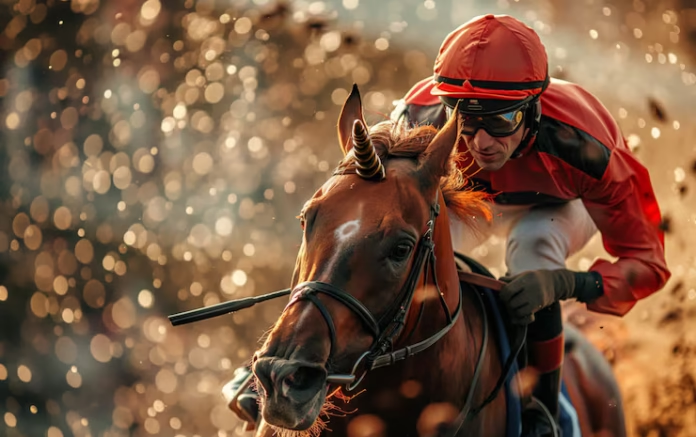
At racing speed, your vision is everything. Wind, dirt, rain, glare, and kickback can turn a clean line into a risky moment in seconds. That’s why jockey goggles are more than an accessory—they’re a key piece of functional safety gear that supports focus and confidence from break to finish.
If you’re selecting goggles for training, race day, or stable use, it helps to know what separates a comfortable, reliable pair from something that fogs, shifts, or distracts at the wrong time.
Why goggles are essential in horse racing
Horse racing presents a unique mix of environmental challenges. Even on a perfect day, wind pressure at speed can cause tearing and fatigue. Add mud, dust, or debris from the horse in front, and eye protection becomes non-negotiable.
Quality jockey goggles help with:
- Impact and debris protection: Dirt and kickback are common, especially in packs
- Wind shielding: Reduces tearing and eye strain
- Weather readiness: Rain and humidity require anti-fog performance
- Consistency: Helps riders stay focused on pacing and positioning
In many cases, good goggles can be the difference between riding proactively and reacting to discomfort.
Key features to look for in jockey goggles
Not all goggles are built the same. Here are the features that tend to matter most in real riding conditions:
1) Lens clarity and distortion control
A lens should provide clean, undistorted vision across the entire field—especially at the edges. Low-quality lenses can warp perception, which is the last thing you want at speed.
2) Ventilation and anti-fog performance
Fog is a common complaint. A good goggle design manages airflow without letting debris in. Look for designs that balance ventilation with coverage.
3) Strap grip and stability
Goggles that slide down your helmet or shift during a turn become a distraction. A stable strap with consistent tension is crucial.
4) Comfort and seal
The frame should sit comfortably without pressure points. A good seal helps block wind and dirt while still feeling breathable.
If you want a straightforward way to compare styles, it can help to browse a dedicated selection of jockey gogglesn built for racing needs and conditions.
Lens options: clear, tinted, and conditions-based choices
Choosing lenses isn’t just aesthetic—it’s tactical. Riders often adjust lenses based on light and weather:
- Clear lenses: Best for low light, overcast days, evening rides, or indoor training
- Tinted lenses: Useful for bright sun and glare reduction
- Smoke or darker tint: Helps on extremely bright days and open tracks
- Yellow/amber lenses: Can improve contrast in flat light or haze (when available)
If your schedule includes varied conditions, owning more than one lens type (or more than one pair) can reduce last-minute compromise.
Fit with helmets and other gear
A common oversight is buying goggles without thinking about helmet compatibility. Even great goggles can feel “wrong” if they don’t sit well with your helmet shape or interfere with straps.
When assessing fit:
- Put your helmet on first, then fit the goggles
- Confirm the strap sits flat and doesn’t twist
- Check that the frame doesn’t press into your nose bridge
- Move your head through riding posture: forward, down, side-to-side
- Make sure there’s no gap that channels wind directly into your eyes
- Small fit issues can become big distractions after several rides.
Training vs race day: do you need different goggles?
Some riders prefer a “workhorse” pair for daily training and a fresh pair for race day. That approach can make sense because lenses can collect micro-scratches over time that reduce clarity.
A practical strategy:
- Training pair: Focus on comfort and durability
- Race pair: Keep lenses as clean and scratch-free as possible
- Backup pair: Always a smart move, especially for travel or wet days
For stables, keeping a small inventory of reliable goggles helps prevent last-minute scrambles.
Maintenance: keeping goggles clear and reliable
Goggle performance is heavily influenced by care. Scratched or dirty lenses reduce visibility and increase fatigue.
Simple care habits:
- Rinse dirt with water before wiping to avoid scratches
- Use a microfiber cloth for cleaning
- Store goggles in a protective pouch or case
- Replace lenses when clarity drops noticeably
- Avoid harsh chemicals that can damage coatings
Treat goggles like optics, not like disposable accessories, and they’ll hold up better through the season.
Buying checklist for jockey goggles
Use this checklist to keep your decision practical:
- Do they stay stable at speed without frequent adjustment?
- Can you see clearly with no distortion?
- Do they resist fog in humidity or temperature swings?
- Are they comfortable for long sessions?
- Are replacement lenses (or multiple lens options) available?
- Do they fit well with your helmet setup?
If most answers are “yes,” you’re likely choosing goggles that support performance, not distract from it.
Conclusion
Reliable jockey goggles protect your eyes, reduce fatigue, and help you stay fully focused when conditions get messy or fast. The best pairs combine clarity, stability, comfort, and anti-fog performance—so you can ride the race, not fight your equipment.
If you’re upgrading your gear or outfitting a stable, you can explore Ridertack’s selection of jockey goggles designed for the demands of horse racing.