

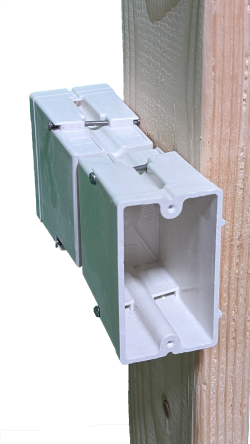
Electrical protection has come a long way from “good enough.” Today’s environments demand enclosures that stand up to moisture, chemicals, corrosion, UV exposure, and temperature swings—without adding unnecessary weight or maintenance. That’s why more specifiers, contractors, and facility teams are moving toward nonmetallic electrical enclosures for everything from industrial plants to commercial builds and outdoor installations.
The problem with traditional metal enclosures
Metal boxes and cabinets still have their place, but they also come with familiar frustrations:
- Corrosion risk in humid, coastal, washdown, or chemical environments
- Weight and handling challenges, especially for larger installations
- Paint and finish failures that lead to costly touch-ups
- Increased maintenance over the lifecycle of the facility
When failure or degradation happens, it rarely announces itself at a convenient time. It shows up during inspections, downtime, or a call-back you didn’t budget for.
What makes nonmetallic enclosures different?
Nonmetallic enclosures are engineered to withstand harsh conditions without relying on coatings to “stay protected.” Instead, the enclosure material itself is designed for resilience—helping you maintain system integrity while reducing long-term headaches.
Key advantages include:
1) Corrosion resistance that doesn’t need babysitting
In many environments, corrosion isn’t a possibility—it’s a guarantee. Nonmetallic solutions can be a practical answer for applications that eat through traditional finishes.
2) A lighter install with less labor strain
When enclosures are easier to handle, teams work faster and safer. Reduced weight can mean easier positioning, simpler mounting, and smoother multi-person installs—especially when you’re dealing with large sizes or tight spaces.
3) Strong performance in wet, washdown, and outdoor conditions
Outdoor electrical protection often comes down to a few critical factors: sealing, durability, and material stability. Nonmetallic enclosures help support long service life where rain, hose-down procedures, and humidity are part of the routine.
4) Long-term value through reduced maintenance
Less corrosion. Fewer coatings to repair. Less degradation over time. When you’re managing facilities, those details translate into fewer replacements, fewer urgent fixes, and more predictable lifecycle costs.
Applications where nonmetallic shines
Nonmetallic enclosures are commonly specified in settings like:
- Water/wastewater and pump stations
- Food and beverage washdown areas
- Marine and coastal installations
- Chemical processing and industrial environments
- Outdoor control systems and remote equipment
- Commercial and industrial retrofits where corrosion has been a recurring issue
What to look for when choosing an enclosure partner
Not all enclosures are created equal—especially once you factor in real-world installation demands. When you’re sourcing for a job, look for:
- A manufacturer with a deep enclosure lineup (not a one-size-fits-all approach)
- Options built for harsh environments and long-term field performance
- Sizing and configuration flexibility for real electrical layouts
- Reliable availability and responsive support
The takeaway
Nonmetallic electrical enclosures aren’t just a niche product anymore—they’re a practical, cost-smart upgrade for modern installations. When your goal is protecting critical electrical components while minimizing maintenance and improving long-term reliability, choosing the right nonmetallic solution can pay off well beyond the initial install.
Ready to specify a more durable enclosure solution?
Explore Allied Moulded’s enclosure options and find the right fit for your environment and application at alliedmoulded.com.