

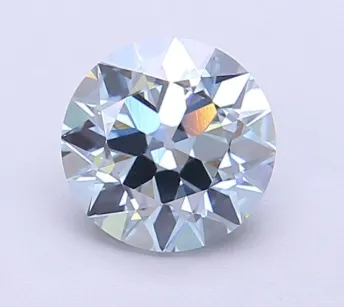
Colour can completely change the personality of a diamond. A soft blush tone feels romantic, a vivid blue appears contemporary, and a warm yellow stone can bring a sense of optimism and individuality to an engagement ring. Yet choosing a coloured lab-grown diamond involves more than selecting a favourite shade. Tone, saturation, cut, setting and metal colour all influence how the finished ring will look. Buyers exploring coloured diamonds by Lily Arkwright should compare these details together, rather than judging a stone by colour alone. The aim is to find a diamond whose hue remains attractive in different lighting and works naturally with the intended ring design.
Compare Hue, Tone and Saturation Carefully
Coloured diamonds are often described by their dominant hue, but two stones with the same colour label can look noticeably different. A pink diamond may lean towards rose, peach or purple, while a blue stone may appear icy, teal or intensely oceanic.
Tone refers to how light or dark the colour appears. Very pale stones can look delicate and subtle, especially in bright settings, whereas darker tones tend to create a stronger visual statement. Saturation describes the intensity of the colour. A highly saturated diamond usually appears richer and more vivid, while lower saturation creates a softer, more understated effect.
Personal style should guide the decision. Someone who wears neutral clothing and minimal jewellery may prefer a gentle tint that does not dominate the hand. A wearer who enjoys expressive colour may be happier with a deeper, more concentrated shade. It is also sensible to view the diamond under more than one light source, as daylight, warm indoor lighting and showroom illumination can alter its appearance.
Cut Shape Influences Colour Distribution
The cut of a coloured lab-grown diamond affects both brilliance and colour concentration. Unlike colourless diamonds, where brightness is often the dominant consideration, coloured stones may be cut to emphasise their hue.
Radiant and cushion cuts are popular choices because their faceting patterns can intensify colour while producing lively sparkle. Oval and pear shapes create an elegant, elongated silhouette and may make the diamond appear larger across the finger. Emerald cuts offer a more architectural look, although their broad, open facets can reveal variations in colour more clearly.
Evenness is worth examining. Some diamonds display areas that appear darker or lighter than the rest of the stone. This is sometimes referred to as colour zoning. Mild variation may be visually appealing, but obvious unevenness can distract from the overall design. A balanced cut should distribute colour attractively while preserving the character of the chosen shape.
Metal and Setting Choices Can Shift the Colour
The surrounding metal has a significant effect on how a coloured diamond is perceived. White gold and platinum create a cool, neutral frame, making blue, pink and other pastel tones appear clean and defined. Yellow gold can enrich warm shades such as champagne, orange and yellow, while also creating deliberate contrast with cooler colours.
Rose gold pairs naturally with pink and peach diamonds, producing a harmonious, romantic finish. However, too much colour similarity may soften the distinction between the stone and the band. Buyers who want the diamond to stand out more clearly may prefer a contrasting metal or a white-metal head combined with a warmer band.
Setting style matters as well. A solitaire keeps the colour as the main focal point, while a halo of colourless diamonds can increase contrast and visual spread. Side stones may create a more elaborate composition, but their size and brightness should not overpower the centre diamond.
Balance Carat Weight with Visual Presence
Carat weight measures mass, not visible size. Two coloured lab-grown diamonds with the same carat weight may have different face-up dimensions depending on their shape, depth and proportions.
Elongated cuts often offer greater finger coverage, which may appeal to someone seeking a larger visual presence without increasing carat weight. Deeper stones can carry more of their weight below the setting and therefore appear smaller from above. This does not automatically make them inferior, but it changes how substantial the finished ring looks.
A larger stone is not always the most effective choice. Strong colour can make a moderately sized diamond feel more prominent than a larger but paler stone. Comfort, hand proportion and setting security should also influence the final decision, particularly if the ring will be worn daily.
Final Thought
Choosing a coloured lab-grown diamond requires a balance of emotional preference and practical comparison. Hue establishes the personality of the stone, while tone and saturation determine its strength. Cut affects colour distribution, and the metal and setting shape how that colour is ultimately perceived. By reviewing these elements together, buyers can select a diamond that feels distinctive, balanced and personal rather than simply unusual.