

Fashion trends can be exciting, but keeping up with every new look is neither practical nor necessary. New colors, handbag shapes, shoes, and styling ideas appear constantly. A better approach is to use trends as inspiration and select only the elements that genuinely suit your taste and everyday routine.
Fashion and lifestyle resources such as Sonia Begonia can help readers discover different styles while considering how those ideas translate into wearable outfits. Instead of rebuilding a wardrobe every season, shoppers can identify individual details that complement pieces they already own.
Start With Your Existing Wardrobe
Before buying something new, it helps to understand what is already available. Looking through existing clothes can reveal favorite colors, frequently worn silhouettes, and pieces that have been forgotten.
This simple review can also expose genuine wardrobe gaps. Perhaps there are plenty of casual tops but few layering pieces, or several handbags but no practical option for everyday errands.
Knowing what is missing creates a clearer shopping direction. It also reduces the likelihood of purchasing another version of something that is already sitting unused in the wardrobe.
Use Trends as Ideas, Not Instructions
A trend does not need to be copied exactly. If oversized tailoring is popular, for example, someone might introduce the look through one relaxed blazer instead of changing their entire wardrobe.
The same applies to colors and accessories. A bold seasonal shade might work better as a handbag, scarf, or pair of shoes than as a complete outfit.
Adapting trends in small ways allows personal style to remain consistent. It also makes it easier to move on when a particular look is no longer receiving the same attention.
Explore Alternatives With Care
Designer collections frequently influence mainstream fashion. Recognizable shapes, colors, and details can quickly appear across different price categories, giving shoppers more ways to experiment with a particular aesthetic.
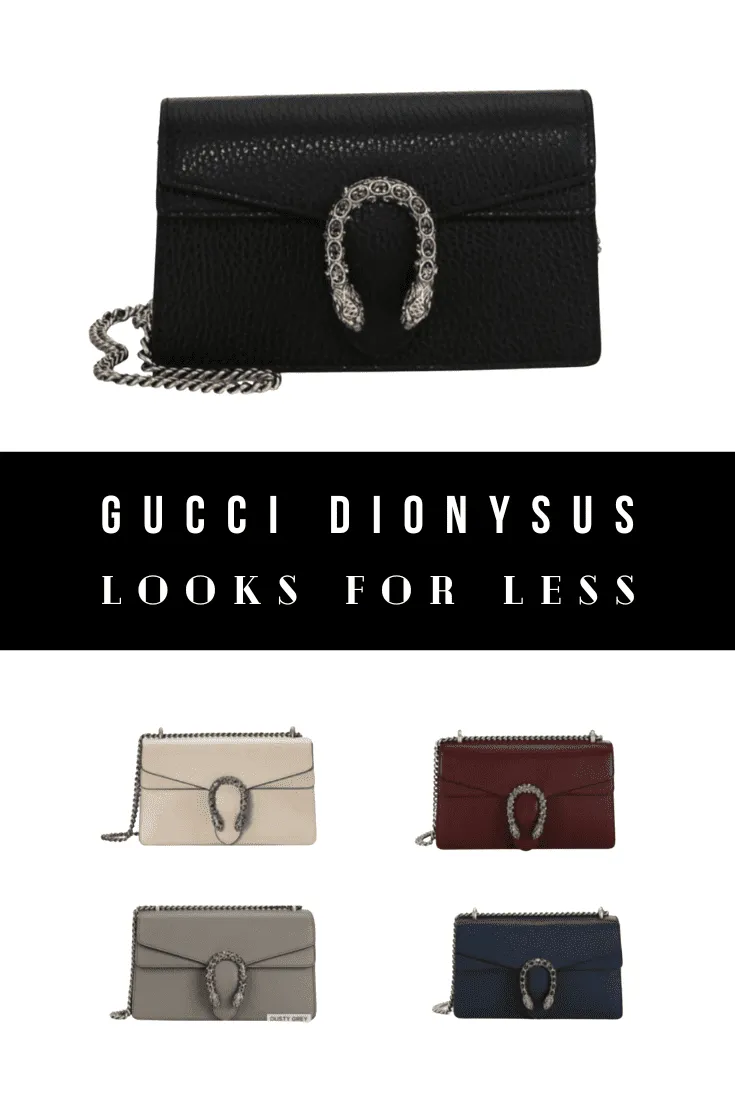
Someone interested in Gucci Look Alikes, for instance, may be looking for an accessible way to capture a similar style direction. Rather than concentrating only on visual similarity, it is useful to compare practical characteristics too.
Size, materials, compartments, closures, straps, and overall construction can make a significant difference. A product should ultimately be selected because it works for the buyer, not simply because it recalls a more expensive design.
Consider Cost Per Wear
Price alone does not determine whether something represents good value. An inexpensive purchase that is worn once can be less useful than a moderately priced piece worn every week.
Thinking about cost per wear provides another way to evaluate a potential purchase. Before ordering, consider how many existing outfits could realistically include the new item.
Versatile pieces usually have an advantage here. Neutral shoes, practical handbags, comfortable denim, and layering pieces can often move between different outfits and occasions.
Save Inspiration Before Shopping
Immediate purchasing is not the only response to discovering an appealing outfit. Saving images or creating a digital inspiration folder gives ideas time to settle before money is spent.
After a few weeks, patterns may begin to appear. You might notice that you consistently save structured bags, relaxed tailoring, neutral footwear, or outfits built around a particular color family.
Those repeated preferences provide useful information about personal style. Items that seemed exciting for only a day or two are easier to identify and ignore.
Focus on Styling Versatility
A useful purchase should ideally work in more than one setting. Before choosing an item, imagine at least three outfits that could be created with pieces already owned.
For example, a simple jacket might work with trousers for a polished outfit, denim for the weekend, and a dress for an evening meal. One piece can therefore serve several purposes.
Accessories offer similar flexibility. Changing shoes, jewelry, belts, or handbags can alter the overall character of familiar clothing without requiring a completely different outfit.
Allow Personal Style to Evolve
Personal style does not need to remain fixed forever. Preferences naturally change with lifestyle, work, climate, age, and daily routines.
The goal is not to create rigid fashion rules. It is to become more aware of which clothes make getting dressed easier and which purchases repeatedly remain unworn.
A thoughtful wardrobe leaves room for experimentation while maintaining a foundation of dependable pieces. New trends can then be added selectively rather than becoming the entire focus.
Conclusion
Finding fashion inspiration becomes more enjoyable when every trend is treated as an option rather than an obligation. Reviewing existing clothes, saving ideas, considering versatility, and comparing products carefully can all lead to more deliberate purchases. Personal style develops gradually through the colors, shapes, and combinations someone repeatedly enjoys wearing. By allowing trends to provide fresh ideas without controlling every buying decision, shoppers can create wardrobes that remain practical, flexible, and individual.