

Going custom used to mean picking a stone and a setting from a catalog and hoping the combination worked. That’s no longer the limit. Couples now have real input on cut, metal, and setting before anything is made, which is good news, but it also means the decision rewards a little more preparation than walking into a case and pointing.
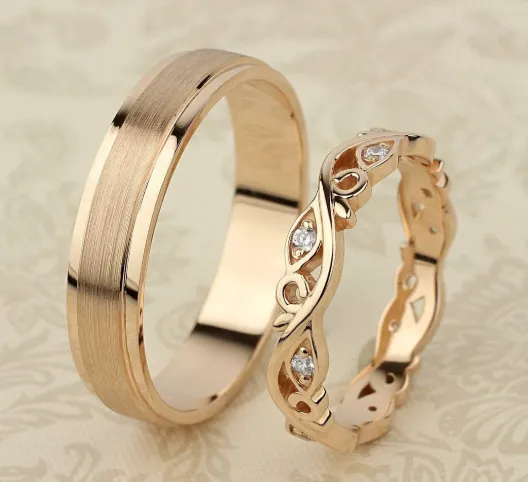
Why More Couples Are Choosing Custom Engagement Rings
The appeal is control. A custom engagement ring lets you separate three decisions that used to be bundled together: the stone, the metal, and the setting style. That separation is what makes a ring feel personal rather than picked off a shelf, but it only pays off if you understand what each choice actually does to the finished piece.
Choosing the Right Stone for a Custom Engagement Ring
Start with cut, not carat. A well-cut stone returns more light and reads as brighter than a larger, poorly cut one, and it’s the single most common area where buyers overspend on size while underspending on quality. Shape matters too: round and cushion cuts tend to look busier and hide small inclusions better, while emerald and asymmetrical cuts show off clarity but demand a cleaner stone. If you’re building the ring from scratch, decide on shape and cut quality before you touch the setting.
Picking Metals and Settings for Custom Engagement Rings
Recycled sterling silver and solid gold have both become common bases for made-to-order rings, largely because they hold a cast setting well without the environmental cost of newly mined metal. The setting itself does two jobs: it secures the stone, and it frames it. Prong settings show more of the stone and maximize brilliance; bezel settings trade a little sparkle for daily-wear protection. Some studios now let buyers see the actual stone placement before committing, using an interactive stone customizer rather than a static mockup, which removes a lot of the guesswork that used to come with ordering something you couldn’t preview.
Making Sure the Ring Pairs With What Comes Next
One detail buyers skip until it’s too late: not every engagement ring sits flush against a standard wedding band. Curved profiles, raised settings, and asymmetrical stones can leave a gap or an awkward angle once the second ring goes on. If you already know you’ll want matching wedding bands down the line, it’s worth checking pairing compatibility at the design stage rather than after the engagement ring is finished. A five-minute conversation with the jeweler now saves a resizing or re-design headache later.
Setting a Realistic Budget
Custom doesn’t have to mean expensive, but it does mean you should know what you’re paying for before you start: the stone itself, the metal weight, or the labor of a fully bespoke setting. Lab-grown stones have widened what a given budget buys, so the same price point now covers more size or a better cut than it did a few years back. Decide which of those three you actually care about most, and let that guide the rest of the decisions.
Work With Someone Who Explains the Process
The clearest sign of a jeweler worth trusting is how plainly they answer questions about materials, sourcing, and timeline. Studios that walk you through the stone customizer step, explain metal choices in plain language, and set honest expectations on production time (custom work often means a longer wait than a display case ring) are the ones worth the extra planning. One that deflects specifics is one to keep looking past.
Get the cut right, be honest about how the ring pairs with future purchases, and buy from someone who explains their process clearly. The rest comes down to taste, which is exactly how it should be.
FAQs
What’s the biggest advantage of a custom engagement ring over an off-the-shelf one? You get to make three decisions separately instead of accepting them as a bundle: the stone, the metal, and the setting style. That separation is what makes the ring feel personal rather than picked off a shelf.
Should I prioritize carat size or cut quality when choosing a stone? Cut quality first. A well-cut stone returns more light and reads as brighter than a larger, poorly cut one, and overspending on size while underspending on cut is one of the most common mistakes buyers make.
What metals are typically used in custom engagement rings? Recycled sterling silver and solid gold have become common bases for made-to-order rings, largely because they hold a cast setting well without the environmental cost of newly mined metal.
Do I need to think about my wedding band before the engagement ring is finished? Yes. Curved profiles, raised settings, and asymmetrical stones can leave a gap or an awkward angle once a wedding band goes on, so it’s worth checking pairing compatibility with the jeweler at the design stage rather than after.
Can I preview my ring before it’s made? Some studios let you see the actual stone placement before committing, using an interactive stone customizer rather than a static mockup, which removes a lot of the guesswork that comes with ordering something you couldn’t preview.
Kayge Studio is a custom jewelry studio in San Diego, designing engagement rings and wedding bands in lab-grown diamonds set in recycled sterling silver and solid gold. Each piece is made to order, with custom stone and setting options built in from the start.