

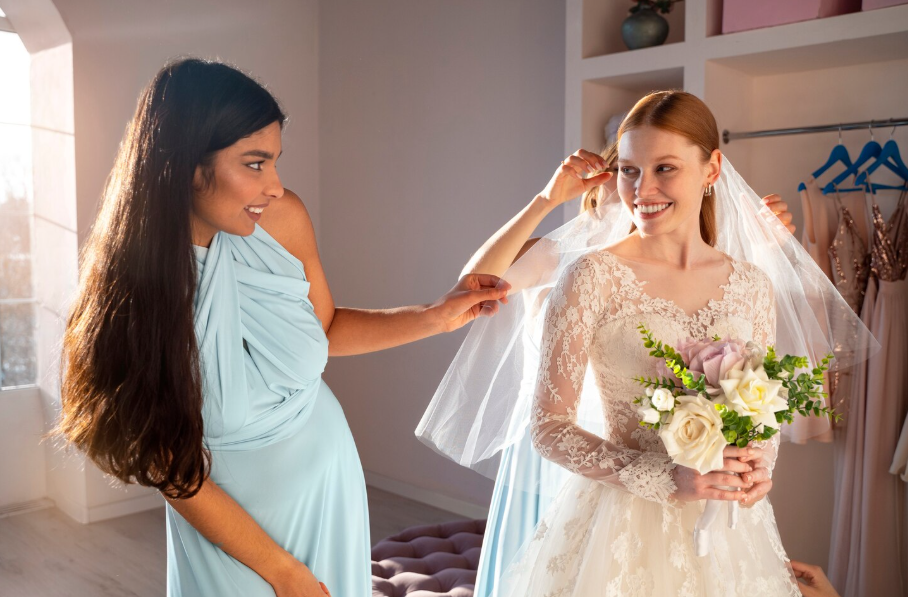
Bridal fashion has always been a reflection of its time, shaped by culture, craftsmanship, and evolving ideals of beauty. Today, however, it is undergoing a far more intimate transformation. Modern brides are no longer dressing to meet expectations; they are dressing to express identity. In this shift, bespoke bridal wear is reclaiming its place at the forefront of design, offering garments that carry depth, artistry, and intention. At the heart of this movement is Agaati, a label that quietly yet powerfully redefines what it means to wear something truly personal on one of life’s most significant days.
The Emotional Shift in Bridal Dressing
The modern bride is not defined by tradition alone. She is informed, expressive, and deeply connected to her choices. Bridal wear is no longer just about grandeur or spectacle; it is about resonance. What does this garment say about her story? How does it feel to wear it? Does it reflect her values?
This emotional shift has changed how bridal wear is perceived. Instead of chasing fleeting trends, brides are investing in pieces that feel timeless yet personal. There is a growing desire for garments that evoke meaning rather than mere admiration. The dress is no longer just an outfit for a ceremony; it becomes a memory in fabric form, something that holds the essence of a moment and can be revisited long after the day has passed.
Craftsmanship as Narrative
Handcrafted bridal garments carry something that mass-produced pieces often lack, a narrative. Every stitch, fold, and embellishment reflects the hands that created it. The slight irregularities, the subtle textures, and the intricate detailing are not imperfections; they are signatures of authenticity.
Craftsmanship introduces a human connection into fashion. When a bride chooses a handcrafted piece, she becomes part of a larger story, one that includes artisans, traditions, and time-honoured techniques. This narrative transforms the garment into something more than just clothing. It becomes a collaboration between maker and wearer, between heritage and individuality.
In a world increasingly dominated by automation, this return to craft feels both grounding and luxurious. It reminds us that true luxury is not about excess, but about intention.
The Rise of Subtle Luxury
Gone are the days when bridal wear had to be overwhelmingly ornate to feel special. Today’s luxury is quieter, more refined, and deeply considered. It lies in the choice of fabric, the fall of a silhouette, and the precision of tailoring.
Modern brides are embracing understated elegance. They are choosing garments that move effortlessly, that feel comfortable on the body, and that allow their personality to shine through. This does not mean sacrificing beauty; rather, it redefines it. Beauty becomes less about embellishment and more about harmony.
Silhouettes are becoming softer, fabrics more breathable, and designs more versatile. There is a growing appreciation for pieces that can transition beyond the wedding day, becoming part of a woman’s wardrobe rather than remaining preserved and untouched.
Sustainability as a Bridal Value
Sustainability is no longer a secondary consideration in fashion; it is a central one. Bridal wear, traditionally associated with excess and one-time use, is being reimagined through a more conscious lens.
Modern brides are asking important questions. Where was this garment made? Who made it? What impact does it have on the environment? These questions are shaping purchasing decisions and encouraging designers to adopt more responsible practices.
Handcrafted bridal wear naturally aligns with this shift. It often involves smaller production runs, ethical sourcing, and a focus on longevity rather than disposability. By choosing such pieces, brides are not only investing in quality but also supporting a more sustainable fashion ecosystem.
This shift also challenges the notion that bridal wear must be worn only once. Versatility is becoming a key consideration, with designs that can be restyled, repurposed, or passed down through generations.
The Power of Personalisation
One of the most significant changes in bridal fashion is the emphasis on personalisation. Brides are no longer content with off-the-rack solutions; they seek garments that reflect their unique stories.
Personalisation can take many forms. It may be a custom silhouette that complements the wearer’s body, a fabric that holds cultural significance, or subtle details that carry emotional meaning. These elements transform a garment into something deeply personal.
Designers are increasingly collaborating closely with brides, creating pieces that feel co-created rather than simply purchased. This process adds another layer of meaning to the garment, making it not just something worn, but something experienced.
Cultural Fluidity in Bridal Fashion
Globalisation has blurred the boundaries between cultures, and bridal fashion is reflecting this fluidity. Modern brides are drawing inspiration from diverse traditions, blending elements in ways that feel authentic to them.
This does not mean abandoning heritage; rather, it means reinterpreting it. Traditional techniques and motifs are being adapted into contemporary silhouettes, creating garments that honour the past while embracing the present.
This cultural fusion allows for greater creativity and inclusivity in bridal design. It celebrates individuality while acknowledging the richness of different traditions.
Comfort as a Design Priority
For a long time, comfort was often overlooked in bridal wear. The focus was primarily on aesthetics, sometimes at the expense of ease. Today, this is changing.
Modern brides prioritise comfort alongside beauty. They want garments that allow them to move freely, to dance, to engage fully in their celebrations. This has led to a shift in design approaches, with greater attention to fit, fabric, and construction.
Comfort does not diminish elegance; it enhances it. When a bride feels at ease in what she is wearing, it reflects in her confidence and presence. The garment becomes an extension of her, rather than something she has to manage.
The Longevity of Bridal Pieces
Another emerging perspective in bridal fashion is the idea of longevity. Brides are increasingly choosing pieces that can be worn again or adapted for different occasions.
This approach challenges the traditional notion of bridal wear as a one-time investment. Instead, it encourages a more thoughtful relationship with clothing, one that values durability and versatility.
Designers are responding by creating garments that can be styled in multiple ways, or that incorporate detachable elements. This not only adds value but also aligns with the broader movement towards sustainable fashion.
Dressing with Intention
Bridal fashion is entering a new era, one that prioritises meaning over spectacle, and authenticity over convention. This shift is not just about changing styles; it is about changing perspectives.
As brides continue to redefine what it means to dress for their wedding day, designers and brands must evolve alongside them. The focus must move towards creating garments that are not only beautiful but also meaningful.
In embracing handcrafted design, sustainable practices, and personal storytelling, modern bridal wear becomes more than just fashion. It becomes a reflection of who the bride is and what she stands for.
And perhaps that is the most powerful transformation of all.